
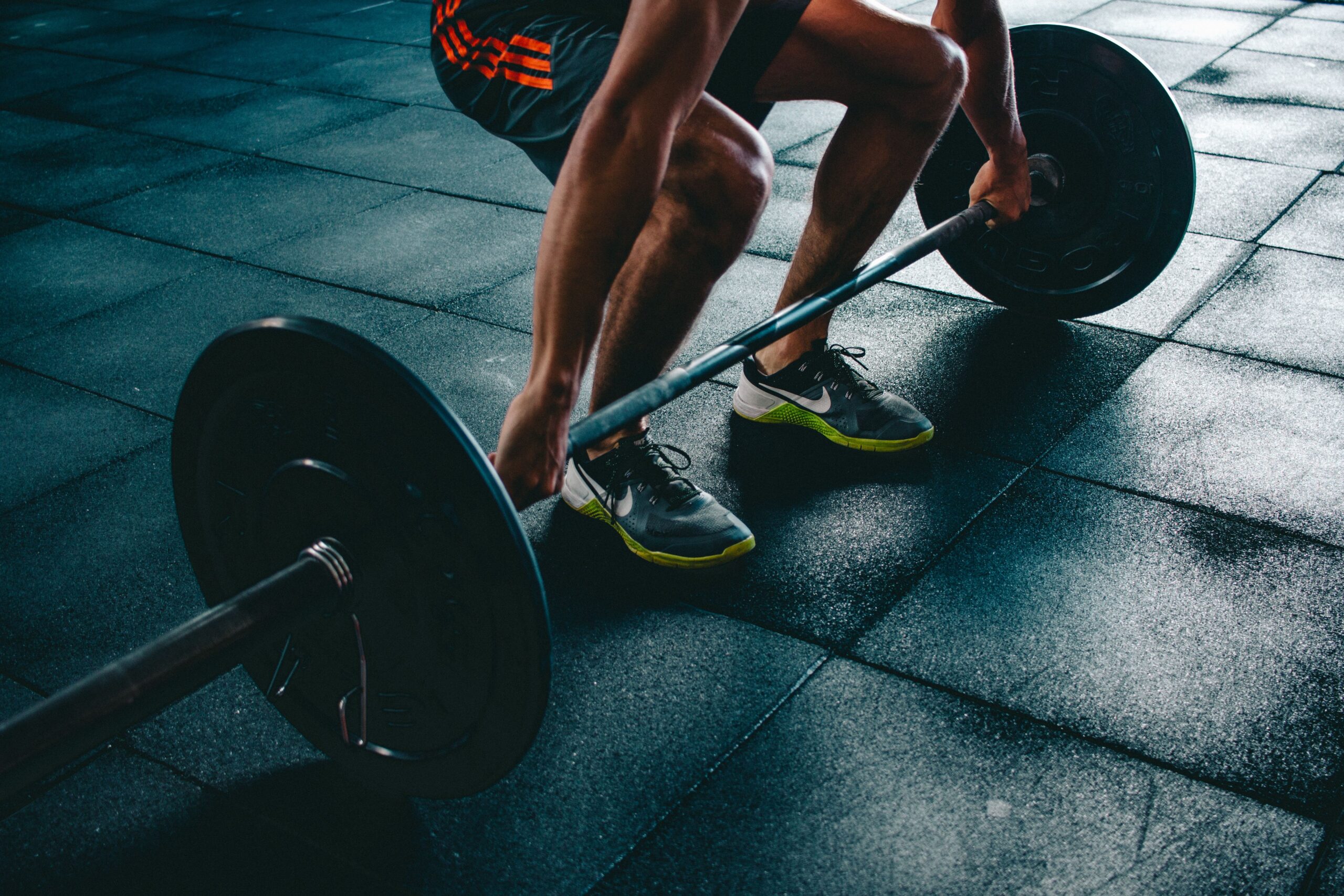
If you have been working out for weeks or months but your body looks the same, the most likely reason is that you are not applying progressive overload.
Progressive overload is the foundation of muscle growth and strength training. Every successful natural lifter uses it, whether they realize it or not. The good news is that you do not need complicated programs to use it effectively.
In this guide, you will learn what progressive overload is, why it works, and how beginners can apply it safely to gain muscle faster.
What Is Progressive Overload?
Progressive overload means gradually increasing the demand placed on your muscles over time.
When your muscles face a challenge that is slightly harder than before, your body adapts by becoming stronger and building more muscle.
For example:
-
Week 1: 10 push-ups
-
Week 2: 12 push-ups
-
Week 3: 15 push-ups
This is progressive overload because the workload increases over time.
Why Is Progressive Overload Important for Muscle Growth?
Your body is highly efficient. If you keep lifting the same weight for the same number of repetitions every week, your muscles have no reason to grow.
Progressive overload helps by:
-
Increasing muscle fiber recruitment
-
Stimulating muscle protein synthesis
-
Improving strength
-
Preventing training plateaus
-
Creating long-term muscle growth
Without progressive overload, even the best diet and supplements will not produce significant results.
The 5 Best Ways to Apply Progressive Overload
1. Increase the Weight
This is the most common method.
Example:
-
Bench Press: 40 kg × 8 reps
-
Next week: 42.5 kg × 8 reps
Add small amounts of weight, especially as a beginner.
2. Increase Repetitions
If you cannot add weight yet, add reps.
Example:
-
10 reps → 11 reps → 12 reps
Once you reach the top of your target range, increase the weight.
3. Increase Sets
Example:
-
3 sets of squats
-
Progress to 4 sets
This increases total training volume.
4. Improve Exercise Form
Better range of motion and control make the exercise more challenging.
A deep squat with good technique is harder and more effective than a shallow squat with poor form.
5. Reduce Rest Time
Example:
-
90 seconds rest
-
Progress to 75 seconds
Use this method mainly for endurance or hypertrophy training, not for heavy strength work.
A Simple Beginner Example
Dumbbell Shoulder Press
|
Week |
Weight |
Reps |
|---|---|---|
|
1 |
10 kg |
10 |
|
2 |
10 kg |
12 |
|
3 |
12.5 kg |
10 |
|
4 |
12.5 kg |
11 |
This is a realistic and sustainable progression.
How Fast Should Beginners Progress?
Beginners can usually progress faster than advanced lifters.
Compound exercises
-
Add 2.5–5 kg every 1–2 weeks
Isolation exercises
-
Add 1–2 kg or a few reps
Do not rush. Consistent small increases are more effective than aggressive jumps.
Signs You Are Progressing Correctly
You are using progressive overload properly if:
-
You lift slightly more weight over time
-
You perform more reps with the same weight
-
Your form remains good
-
Workouts feel challenging but manageable
-
You recover within 24–72 hours
Common Beginner Mistakes
Adding weight too quickly
This often leads to poor form and injury.
Ignoring recovery
Muscles grow during recovery, not during the workout.
Changing exercises every week
Stick with the main exercises for at least 6–8 weeks.
Training to failure every set
Leave 1–2 reps in reserve on most sets.
Progressive Overload and Fat Loss
If you are trying to lose fat and build muscle at the same time, progressive overload is still essential.
Even in a calorie deficit, maintaining or increasing strength helps preserve muscle mass.
A 4-Week Beginner Progression Plan
Week
Goal
1
Learn proper form
2
Add 1–2 reps
3
Add small weight increase
4
Repeat and improve
This simple cycle can produce excellent results for the first 6–12 months of training.
Final Thoughts
Progressive overload is not a fitness hack. It is the fundamental principle behind muscle growth.
As a beginner, focus on:
-
Good form
-
Consistent workouts
-
Small weekly improvements
-
Adequate protein intake
-
Proper sleep and recovery
Remember: You do not need to lift extremely heavy weights. You only need to do a little more than your muscles have already adapted to.
Apply progressive overload patiently, and your strength, muscle size, and confidence will improve month after month.